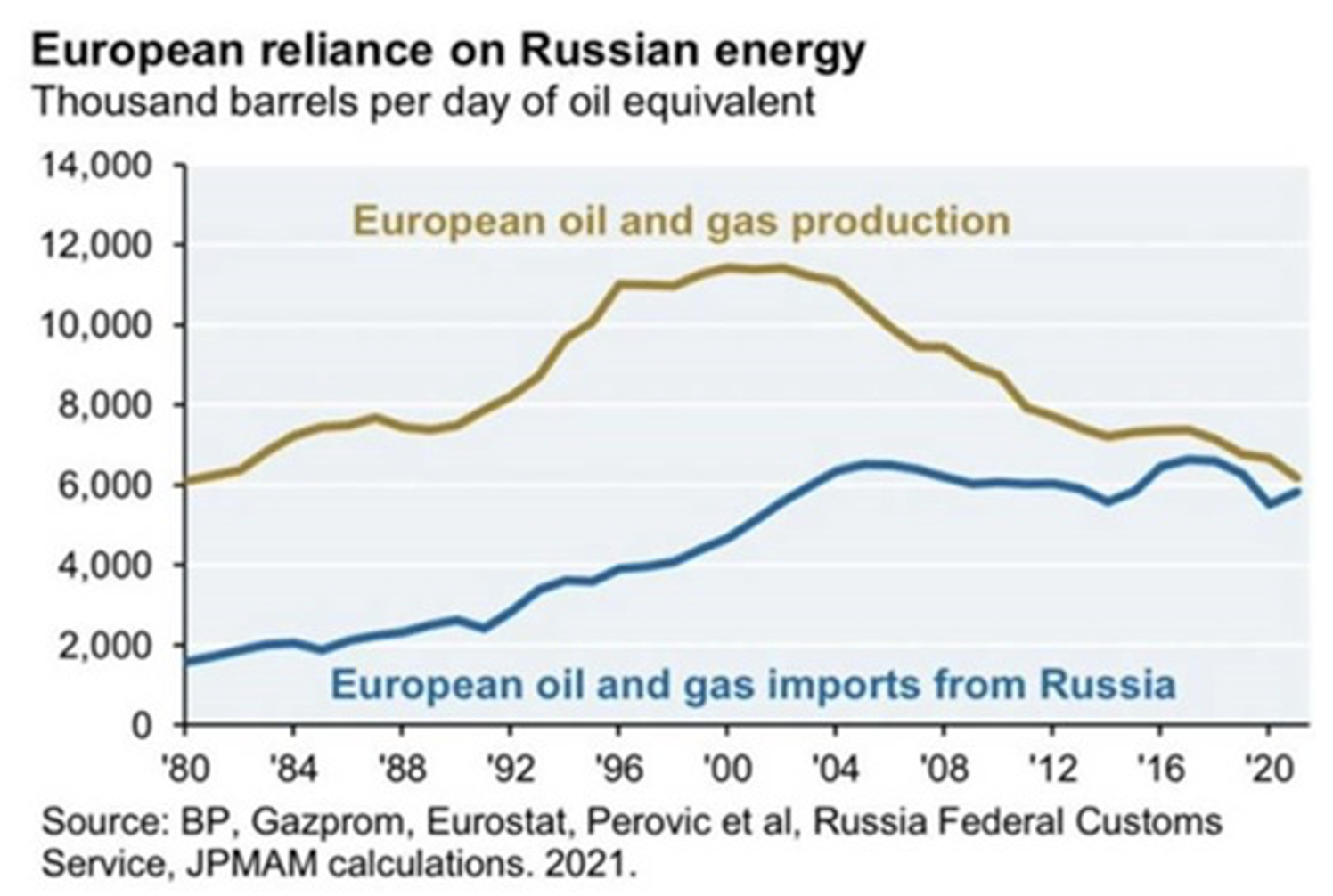
The assumption of transitory inflation still seemed plausible in 2021: a stabilization of energy prices and favorable comparison effects could have allowed inflation to normalize. But Russia's invasion of Ukraine and the resulting sanctions are complicating matters considerably. While rising rents and wages are already contributing to an inflationary spiral in the US, the surge of crude oil prices and new supply chain bottlenecks are likely to keep inflation at an uncomfortably high level for much longer.
For the global economy and the financial markets, the shift to an inflationary world implies profound changes, whether in monetary policy, the behavior of the various economic agents or the asset classes and sectors to be favored.